
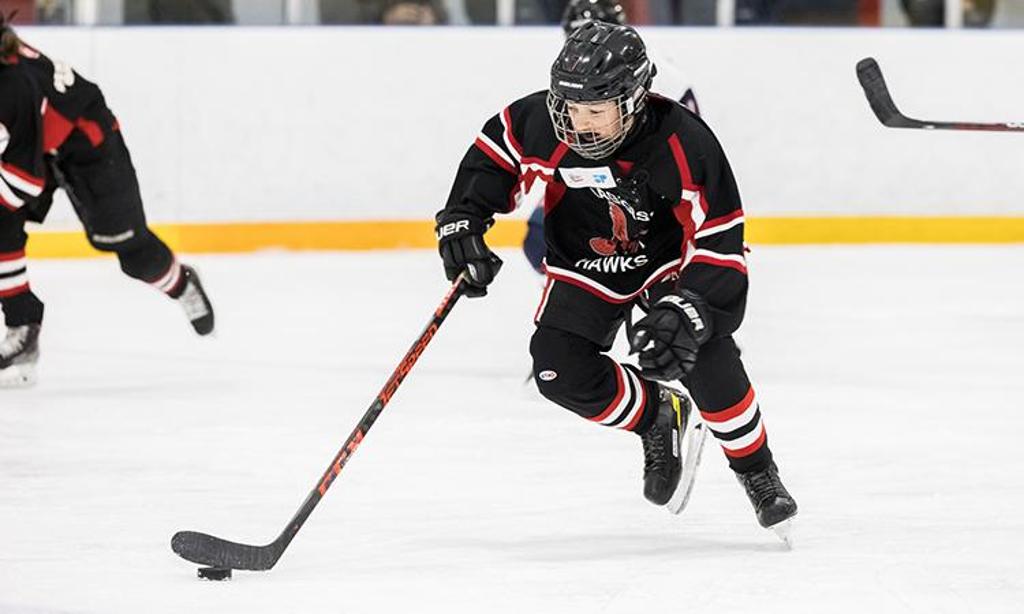
Hockey is a fast, physically demanding sport that requires a combination of technical ability, tactical awareness, speed, and teamwork. Whether playing competitively or recreationally, mastering the core skills of hockey builds confidence and improves performance across every position on the field or rink.
Players who focus on fundamental techniques early develop stronger decision-making, better control under pressure, and more consistent results during matches.
Why Fundamental Skills Matter in Hockey
Strong fundamentals allow players to adapt quickly during high-speed gameplay. Hockey situations change rapidly, and success depends on reacting efficiently with the right technique.
Learning essential skills helps players:
- maintain possession under pressure
- support teammates effectively
- improve passing accuracy
- increase scoring opportunities
- strengthen defensive reliability
Skill development creates the foundation for advanced tactical play.
Stick Handling Control
Stick handling is one of the most important skills in hockey. It allows players to move the puck or ball confidently while avoiding defenders.
Key stick handling techniques include:
- keeping the head up while moving
- using soft hands for control
- maintaining close contact with the puck or ball
- changing direction quickly when needed
Consistent stick control improves both attacking movement and transition play.
Accurate Passing Skills 🎯
Passing keeps the game flowing and helps teams maintain possession.
Effective passing requires:
- proper timing
- awareness of teammate positioning
- controlled stick contact
- quick decision-making under pressure
Players who pass accurately help their teams create structured attacking opportunities.
Shooting Technique and Finishing Ability
Scoring depends heavily on controlled shooting technique rather than power alone.
Important shooting fundamentals include:
- proper body alignment toward the target
- balanced weight transfer during the shot
- controlled stick follow-through
- quick release timing near goal areas
Practicing different shot types increases scoring versatility during matches.
Skating or Movement Speed and Balance
Movement efficiency separates average players from strong performers.
Players should develop:
- quick acceleration
- smooth directional changes
- strong stopping ability
- controlled body positioning while moving
Speed combined with balance allows players to respond faster during transitions.
Defensive Positioning Awareness 🛡️
Defense is not only about stopping opponents—it involves smart positioning and anticipation.
Strong defensive habits include:
- maintaining correct distance from attackers
- protecting central scoring areas
- intercepting passes effectively
- supporting teammates when needed
Positioning reduces pressure on goalkeepers and strengthens team structure.
Communication with Teammates
Communication improves coordination across the entire team.
Players should practice:
- calling for passes clearly
- warning teammates about nearby opponents
- directing defensive coverage
- encouraging teammates during play
Teams that communicate well perform more consistently under pressure.
Ball or Puck Protection Techniques
Protecting possession is essential in fast-paced hockey situations.
Players can improve control by:
- using body positioning strategically
- shielding the puck or ball from defenders
- maintaining low center-of-gravity balance
- reacting quickly to defensive pressure
Possession control helps teams maintain attacking momentum.
Game Awareness and Decision-Making 🧠
Understanding what is happening across the playing area improves performance dramatically.
Important awareness skills include:
- reading opponent movement patterns
- recognizing passing opportunities early
- adjusting positioning quickly
- anticipating rebounds and loose balls
Players who think ahead react faster and make smarter choices during matches.
Fitness and Endurance Development
Hockey requires both speed and stamina throughout the game.
Essential conditioning areas include:
- sprint endurance
- lower-body strength
- reaction speed
- agility training
- recovery between shifts or plays
Fitness supports skill execution during high-pressure situations.
Teamwork and Role Understanding
Every hockey position contributes differently to match success.
Players should learn:
- their positional responsibilities
- how to support teammates during transitions
- when to attack and when to defend
- how to maintain team shape during play
Understanding roles improves coordination across the entire lineup.
Consistency Through Practice Habits 🔄
Skill improvement depends on repetition and structured training routines.
Effective practice habits include:
- short daily stick-handling sessions
- passing drills with teammates
- shooting accuracy exercises
- movement coordination training
- reviewing performance after matches
Consistent training leads to steady progress over time.
Frequently Asked Questions (FAQs)
1. Which hockey skill should beginners learn first?
Stick handling and basic movement control are usually the first priorities for new players.
2. How important is teamwork compared to individual skill in hockey?
Teamwork is essential because hockey relies heavily on coordinated passing, positioning, and support play.
3. Can players improve shooting accuracy without increasing strength?
Yes. Proper technique and timing often improve shooting accuracy more than physical strength alone.
4. How often should hockey players practice core skills each week?
Practicing at least three to four sessions weekly helps maintain steady development.
5. Do defensive players need strong attacking skills as well?
Yes. Modern hockey requires defenders to support attacks and contribute to transitions.
6. How does game awareness improve performance during matches?
Players who read the game well make quicker decisions and position themselves more effectively.
7. What role does fitness play in hockey skill development?
Fitness supports speed, balance, and endurance, allowing players to apply technical skills consistently throughout matches.
