
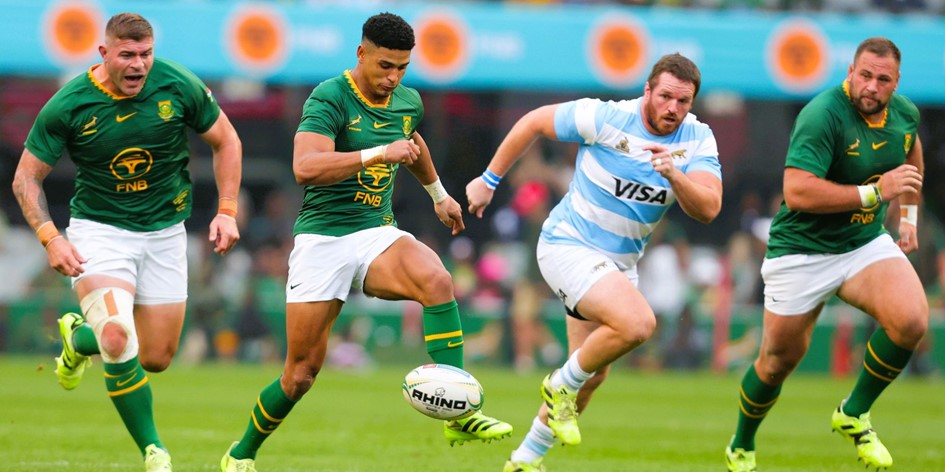
Rugby is a fast-moving team sport built on strength, strategy, teamwork, and continuous play. For beginners, the game may appear complex at first, but learning a few core rules and skills makes it much easier to follow and enjoy.
Understanding the structure of the game, player roles, and essential techniques helps new players build confidence quickly—whether they plan to play recreationally or simply watch matches with better awareness.
What Rugby Is All About
Rugby is played between two teams competing to score points by carrying, passing, or kicking the ball into scoring areas.
The main objective is simple:
- move the ball forward across the field
- avoid defenders through teamwork
- score tries or kick goals
Unlike many other sports, rugby encourages continuous movement and collective support play.
Basic Rugby Field Layout
A rugby field includes several important areas that influence gameplay decisions.
Key field sections include:
- halfway line dividing the field equally
- 22-meter lines marking defensive zones
- touchlines defining field boundaries
- try area where teams score points
Understanding field positioning helps beginners follow match strategy more easily.
How Scoring Works in Rugby 🎯
Teams earn points in several ways during a match.
Common scoring methods include:
- Try – scored by grounding the ball in the opponent’s try area (highest-value scoring play)
- Conversion kick – taken after a try for extra points
- Penalty kick – awarded after rule violations
- Drop goal – scored during open play by kicking the ball through goalposts
Learning scoring types helps beginners understand match momentum.
The Importance of Passing in Rugby
Passing is different from many other ball sports.
A key rule beginners must remember:
the ball can only be passed sideways or backward, not forward.
Forward progress happens through:
- running with the ball
- kicking strategically
- supporting teammates during movement
This rule shapes the unique teamwork style of rugby.
Player Positions and Their Roles
Each rugby team includes players with specialized responsibilities.
Positions generally fall into two main groups:
Forwards
Forwards focus on physical contests and possession battles.
Their roles include:
- winning the ball during scrums
- supporting tackles
- controlling close-range play
- securing possession in rucks
Backs
Backs emphasize speed and attacking movement.
They are responsible for:
- creating scoring opportunities
- advancing the ball quickly
- defending wide areas
- executing tactical kicks
Both groups must work together closely during matches.
Understanding Tackling Safely 🛡️
Tackling is a core part of rugby defense.
Safe tackling principles include:
- aiming below shoulder height
- wrapping arms around the opponent
- maintaining body balance during contact
- releasing the tackled player quickly afterward
Learning proper tackling technique protects both players and teammates.
What Happens During a Scrum
A scrum restarts play after certain minor rule violations.
During a scrum:
- forwards from both teams bind together
- the ball is rolled into the formation
- players compete for possession using coordinated pushing
Scrums require teamwork, timing, and strength.
What Is a Lineout?
A lineout occurs when the ball leaves the field across the sidelines.
During a lineout:
- players line up facing each other
- the ball is thrown between both teams
- teammates lift jumpers to catch possession
Lineouts restart play quickly and create attacking opportunities.
Understanding Rucks and Mauls 🔄
Rucks and mauls happen during contested possession situations.
A ruck forms when:
- the ball is on the ground
- players compete while staying on their feet
A maul forms when:
- the ball carrier remains standing
- teammates bind together while pushing forward
Both situations are central to rugby’s physical style of play.
The Role of Kicking in Rugby Strategy
Kicking is not only used for scoring—it is also a tactical tool.
Players kick to:
- gain field position
- relieve defensive pressure
- create attacking chances
- restart play effectively
Strategic kicking helps teams control match tempo.
Why Teamwork Matters So Much in Rugby 🤝
Rugby depends heavily on support play.
Successful teams:
- stay close to the ball carrier
- communicate constantly
- defend together as a unit
- move forward collectively
Unlike individual-focused sports, rugby rewards coordinated effort across the entire team.
Basic Fitness Skills Rugby Players Need
Rugby players benefit from a mix of physical abilities.
Important fitness components include:
- strength for physical contests
- speed for attacking movement
- endurance for continuous play
- agility for quick direction changes
Balanced conditioning improves both safety and performance.
Common Beginner Mistakes to Avoid 🚫
New players often struggle with early technical habits.
Typical mistakes include:
- attempting forward passes
- standing too far from teammates
- forgetting defensive positioning
- tackling too high
- ignoring support movement after passing
Correcting these early improves confidence quickly.
Frequently Asked Questions (FAQs)
1. Is rugby difficult to learn for beginners?
Rugby becomes easier to understand once players learn passing rules, scoring methods, and basic formations.
2. How long does a standard rugby match last?
Most matches are divided into two halves of 40 minutes each, with a short halftime break.
3. Do players need special equipment to start rugby?
Basic equipment usually includes boots, a mouthguard, and appropriate team clothing.
4. Is rugby safe for beginners to play?
Yes, when players follow proper tackling techniques and use correct protective gear.
5. What is the difference between rugby union and rugby league?
They differ in team size, rules around possession, and tackling structure.
6. Can beginners play multiple positions while learning?
Yes, trying different roles helps new players understand overall game strategy better.
7. Does rugby require prior experience in other contact sports?
No. Beginners can start rugby training without previous contact sport experience.
