
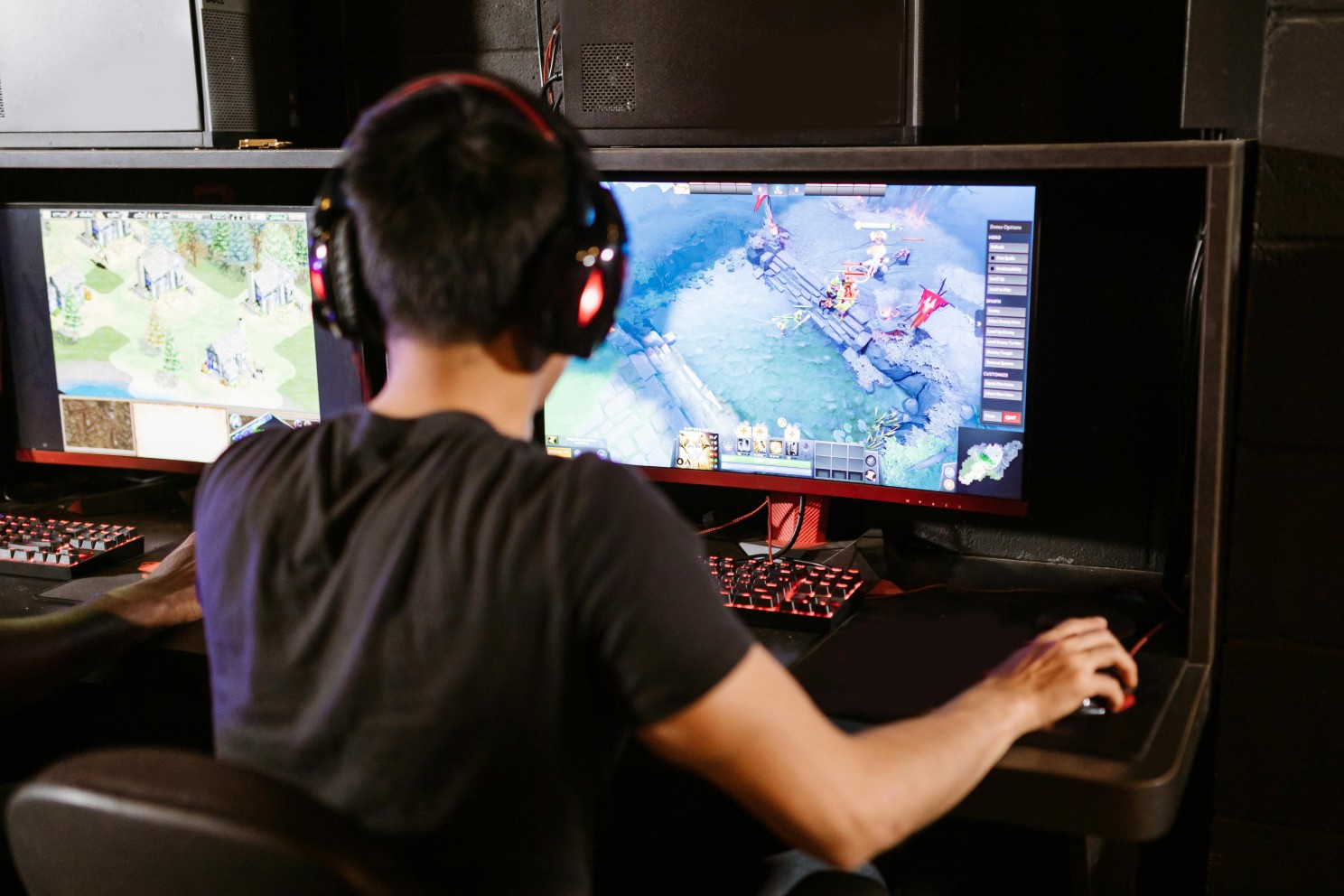
Competitive gaming—commonly known as esports—has transformed from a niche hobby into a global industry attracting millions of players and spectators. Once limited to small local tournaments, esports now fills stadiums, streams to international audiences, and offers professional career paths comparable to traditional sports.
Today, competitive gaming influences entertainment, technology, education, and even national economies. Its rapid growth reflects how digital competition reshaped the meaning of sport in the 21st century.
What Is Competitive Gaming?
Competitive gaming refers to organized multiplayer video game competitions where players or teams compete under structured rules, often for prizes, rankings, and global recognition.
Typical esports competitions include:
- professional tournaments
- regional leagues
- international championships
- university-level competitions
- online ranked circuits
Unlike casual gaming, esports emphasizes performance, strategy, teamwork, and consistency.
How Competitive Gaming Began
The roots of esports trace back to small arcade competitions and early console tournaments. However, the rise of the internet allowed players to compete across long distances, accelerating global participation.
Key early developments included:
- online multiplayer connectivity
- community-run tournaments
- early spectator streaming platforms
- organized ranking systems
These foundations created the infrastructure that supports modern esports today.
The Role of High-Speed Internet in Esports Growth 🌐
Reliable internet connectivity made real-time global competition possible.
This allowed players to:
- compete internationally from home
- form cross-border teams
- practice against stronger opponents worldwide
- participate in online qualifiers for major tournaments
Without fast and stable internet access, modern esports ecosystems would not exist.
Popular Games That Shaped Competitive Gaming
Several titles helped define the structure and popularity of esports competition.
Influential examples include:
- League of Legends
- Counter-Strike
- Dota 2
- Fortnite
- Valorant
These games introduced structured leagues, international championships, and spectator-friendly formats that attracted global audiences.
Streaming Platforms Accelerated Global Reach 📡
Live streaming transformed esports into a spectator experience rather than just a player activity.
Streaming enabled fans to:
- watch tournaments live
- follow favorite teams and players
- learn strategies from professionals
- participate in online gaming communities
Platforms such as Twitch helped esports grow into a mainstream entertainment category.
Today, millions of viewers watch competitions in real time from across the world.
Professional Teams and Career Opportunities
Esports now offers structured professional pathways similar to traditional athletics.
Career opportunities include:
- professional players
- team coaches
- analysts and strategists
- commentators and hosts
- tournament organizers
- content creators
Many professional teams operate training facilities, performance programs, and sponsorship partnerships.
This professional structure strengthened esports credibility globally.
Stadium Events and Global Championships 🏟️
Competitive gaming events now fill large arenas and attract international audiences.
Major tournaments feature:
- live spectators
- high-value prize pools
- global broadcast coverage
- national fan support
Events like the League of Legends World Championship demonstrate how esports matches traditional sports in scale and production quality.
Large-scale competitions also contribute to tourism and local economies.
Esports Recognition in Education Systems
Schools and universities increasingly support esports programs.
Academic institutions now offer:
- esports scholarships
- competitive campus leagues
- training facilities
- broadcasting programs
- game design courses
These initiatives help students develop teamwork, strategy, and digital communication skills.
Educational support strengthens esports as a long-term professional pathway.
The Role of Sponsorship and Investment 💼
Corporate investment accelerated esports expansion significantly.
Major companies support esports through:
- tournament sponsorship
- equipment partnerships
- team branding collaborations
- streaming platform funding
Financial backing allowed leagues to improve infrastructure, player salaries, and event production quality.
As a result, esports evolved into a sustainable global industry.
Esports as a Cultural Movement
Competitive gaming is no longer limited to entertainment—it influences global youth culture.
Its cultural impact includes:
- digital fan communities
- international player recognition
- cross-platform collaboration
- online identity building
- global gaming festivals
Esports connects players across languages and continents through shared competition.
This global interaction continues shaping digital culture worldwide.
Challenges Facing Competitive Gaming Today
Despite rapid growth, esports still faces several structural challenges.
Common concerns include:
- player burnout from intense schedules
- inconsistent league structures across games
- career longevity limitations
- performance pressure on young competitors
Addressing these challenges remains essential for long-term stability.
The Future of Competitive Gaming Worldwide 🚀
Competitive gaming continues expanding through innovation and global accessibility.
Future developments may include:
- virtual reality tournaments
- AI-supported training tools
- stronger regional leagues
- expanded Olympic-level recognition discussions
- improved player wellness programs
As technology advances, esports will likely become even more integrated into mainstream entertainment and sport culture.
Competitive gaming is no longer emerging—it is firmly established as a global competitive ecosystem.
Frequently Asked Questions (FAQs)
1. How do players qualify for major esports tournaments?
Most players qualify through ranked ladders, regional qualifiers, or selection by professional organizations.
2. Are esports considered real sports?
While definitions vary, esports share many characteristics with traditional sports, including structured competition, teamwork, training, and spectatorship.
3. What age do most professional esports players start competing?
Many begin serious competition during their teenage years, often entering professional teams in their late teens or early twenties.
4. Do esports athletes follow training routines similar to traditional athletes?
Yes. Many professional players follow structured practice schedules, physical fitness routines, and mental preparation programs.
5. Which regions dominate global esports competitions?
Regions such as East Asia, Europe, and North America have historically led many international tournaments.
6. Can esports careers extend beyond playing professionally?
Yes. Many former players transition into coaching, commentary, management, or content creation roles.
7. How do fans support esports teams?
Fans support teams through event attendance, live stream viewership, merchandise purchases, and participation in online communities.
