
For the casual observer, a saddle is a saddle – a piece of equipment that allows a rider to sit atop a horse. But step into the world of professional horseracing, and you’ll quickly discover that the seemingly simple saddle is, in fact, a marvel of engineering and design, meticulously crafted to give both horse and jockey every possible advantage. While recreational riders might prioritize comfort and durability, the demands of the racetrack necessitate a completely different approach. The differences between a professional jockey saddle and a standard riding saddle are profound, impacting performance, safety, and the very dynamics of the race.
The Quest for Minimal Weight: Every Ounce Counts
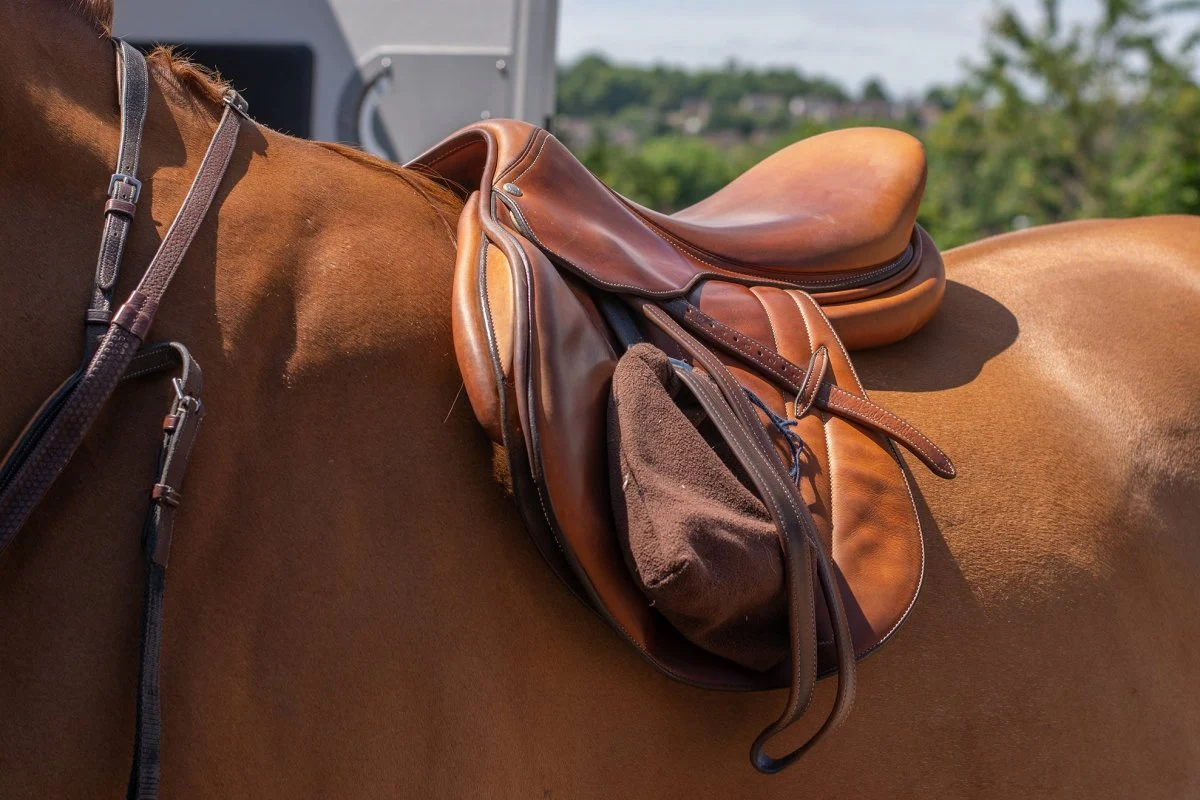
Perhaps the most striking difference lies in weight. Standard saddles, designed for pleasure riding, trail riding, or even disciplines like dressage or show jumping, can weigh anywhere from 15 to 30 pounds, sometimes even more. They are built for stability, comfort over long periods, and often include features like deep seats, padded flaps, and robust tree structures.
Professional jockey saddles, on the other hand, are engineered for extreme lightness. The goal is to minimize every single ounce, as even a fraction of a pound can impact a horse’s speed and endurance over a mile or more. These saddles typically weigh between 1.5 to 3 pounds, a staggering difference. This drastic reduction in weight isn’t achieved by simply removing padding; it involves a complete rethinking of materials and design. Lightweight, high-strength synthetic materials like carbon fiber, Kevlar, and specialized plastics often replace traditional wood and leather trees. The leather itself is thinner, and padding is virtually non-existent.
Design for Aerodynamics and Rider Position
Beyond weight, the shape and structure of a jockey saddle are fundamentally different. Standard saddles often have a deeper seat, designed to keep the rider securely centered and comfortable. They provide a broad contact area with the horse’s back, distributing weight evenly.
Jockey saddles, however, are designed to facilitate the jockey’s “perched” or “forward seat” position. This iconic racing posture, with the jockey’s weight shifted forward over the horse’s withers, is crucial for aerodynamic efficiency. The saddle itself is much flatter and shorter, with very minimal or no cantle (the back of the saddle) and a low pommel (the front). The stirrup bars are positioned further forward, allowing the jockey’s legs to be drawn up high, almost parallel to the horse’s body. This design allows the jockey to rise out of the seat and float above the horse’s back, reducing the impact of their weight and allowing the horse greater freedom of movement. The narrow twist of the saddle also allows for closer contact with the horse, facilitating subtle communication.
Material Science and Durability Under Duress
While standard saddles prioritize longevity and often feature thick, robust leather, professional jockey saddles face a unique challenge: extreme stress in a lightweight package. The materials used must be incredibly strong to withstand the immense forces exerted during a race, yet remain feather-light.
As mentioned, synthetic materials are paramount. The tree, the internal frame of the saddle, is often a marvel of modern engineering, providing structural integrity without adding bulk. The leather, though thin, is usually of the highest quality, selected for its strength-to-weight ratio and grip. Specialized girths and stirrup leathers are also designed with similar principles, using strong, lightweight synthetics. The focus is on critical strength points, ensuring the saddle can endure the dynamic movements of a galloping horse and a jockey constantly adjusting their weight, all while holding up to the elements and repeated use.
The Unsung Heroes: Stirrups and Girths
The accessories that accompany a jockey saddle also reflect this specialized design. Stirrups for jockeys are often made from incredibly lightweight alloys like aluminum or titanium. They are designed for minimal weight and maximum grip, often featuring textured or spiked treads to ensure the jockey’s boots don’t slip, especially important when leaning into turns at high speeds.
Girths are also thinner and lighter than their standard counterparts, designed to hold the saddle securely without adding unnecessary bulk or restricting the horse’s breathing. They often feature elastic inserts to allow for expansion and contraction during intense exertion.
The Human Factor: Jockey Safety and Performance
While the saddle is primarily for the horse’s performance, it also plays a crucial role in jockey safety and effectiveness. The minimalist design allows jockeys to maintain their balance and control at breakneck speeds. The close contact facilitates immediate feedback from the horse, allowing the jockey to make split-second decisions.
Furthermore, the emphasis on lightweight equipment extends to other jockey gear. Helmets are aerodynamic and engineered for impact protection, silks are lightweight and vibrant, and even specialized footwear is designed for grip and minimal weight. And, of course, no jockey would enter a race without their essential jockey goggles, protecting their eyes from dirt, debris, and the wind generated at extreme speeds. These jockey goggles are specifically designed to be lightweight, secure, and offer maximum peripheral vision, critical for navigating a crowded field. The right pair of jockey goggles can make all the difference in maintaining clear sightlines during a crucial moment.
Conclusion: A Symphony of Specialization
In the world of professional horseracing, every element is scrutinized for its potential impact on performance. The differences between a professional jockey saddle and a standard saddle are not merely aesthetic; they represent a fundamental divergence in purpose, design, and material science. From the feather-light construction to the aerodynamic profile, every aspect is meticulously crafted to shave off milliseconds, enhance communication, and provide a competitive edge. It’s a testament to human ingenuity and the relentless pursuit of excellence, where even the smallest detail, like the perfect fit of jockey goggles, contributes to the grand spectacle of the race.
Author Bio:- The author is a seasoned equestrian enthusiast and writer with over a decade of experience exploring the nuances of equine sports and equipment. With a passion for understanding the intricate relationship between horse and rider, they delve into the science and artistry behind performance gear. Their work aims to demystify complex topics, offering valuable insights to both seasoned professionals and curious newcomers in the equestrian world.
